
Grief Counselling

“Your love was like the dawn
Brightening over our lives
Awakening beneath the dark
A futher adventure of colour.
Though your days here were brief,
Your spirit was live, awake, complete.”
~ John O’Donohue
An individual with prolonged grief disorder (PGD) may experience intense longing for the person who has died and/or feelings of being preoccupied by thoughts of the death of that person. In children and adolescents, the preoccupation may focus on the circumstances of the death. Additionally, the surviving individual may experience feelings of being in shock or disbelief about the death, of insecurity and uncertainty about where they fit into a world without the deceased person, which often undermines their sense of belonging, meaning, purpose, and self in the survivorship experience.
If you or a loved one are experiencing grief that feels overwhelmingly intense, unending, and disabling, you may be suffering from Complicated Grief, a condition now formally recognised as Prolonged Grief Disorder (PGD).
This is not a sign of weakness or a failure to “get over it.” It is a specific, treatable condition. For those seeking specialized treatment, Complicated Grief Counselling Singapore offers the professional, structured support needed to address this specific, treatable condition.

Grief is expected to be intense (acute) immediately after a loss, with symptoms gradually softening over time as you adapt. For most people, this process allows life to slowly be redefined and resumed.
Complicated Grief/PGD occurs when the acute, intense symptoms of grief persist indefinitely—lasting for at least one year after the loss for adults, and at least six months for children and adolescents—to a degree that is severe enough to cause significant problems and interfere with daily functioning.
This is not just deep sadness; it is a profound disruption of one’s ability to engage with life, work, and relationships. The person’s grief is required to last longer than might be expected based on social, cultural, or religious norms.
If your emotional state has remained cripplingly intense long after the loss, it may be time to seek help. We look for a collection of persistent, disabling symptoms that occur nearly every day for at least the last month:
Thoughts of self-harm or suicide are a serious red flag and require immediate professional intervention.

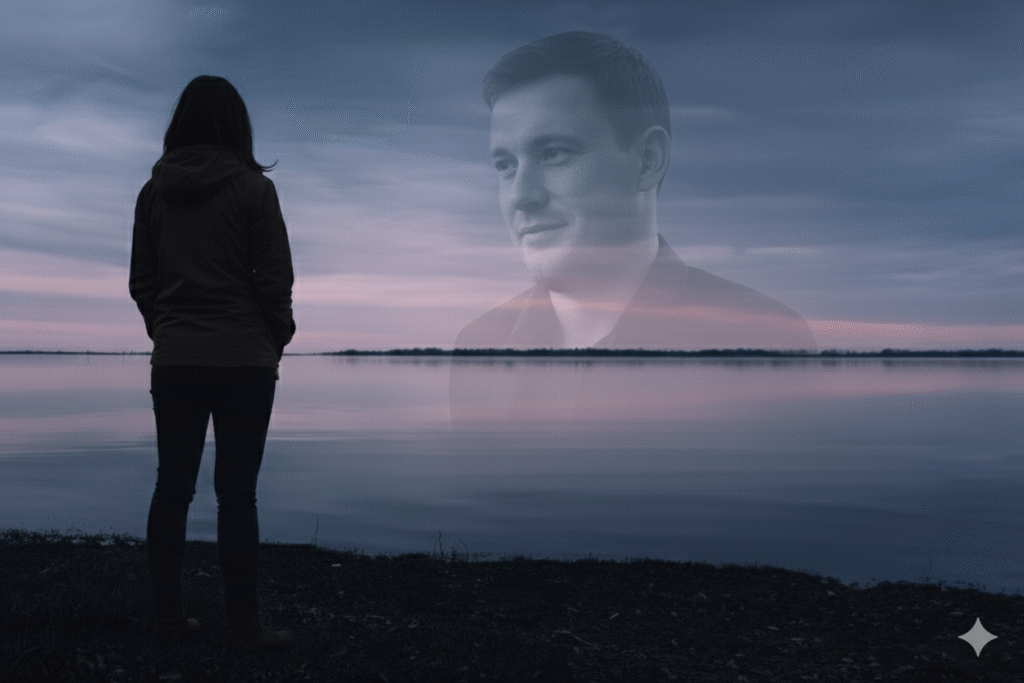

This type of profound, persistent grief is extremely difficult to manage on your own. It is a specialised form of psychological distress, and certain factors can increase the risk of developing it, such as a history of mood or anxiety disorders, or losing someone to a sudden or unnatural death.
You do not need to struggle through this overwhelming pain indefinitely.
Specialised, evidence-based treatment exists and is highly effective for Complicated/Prolonged Grief Disorder. Our role as senior psychotherapists is to provide a structured, compassionate pathway to help you:
Regaining a sense of normalcy and finding a way to integrate the loss into your ongoing life is possible.
If the pain of your loss continues to dominate your life months or years later, preventing you from functioning, working, or finding any joy, please reach out. We are here to help you navigate this complex journey.
Relate Works | Powered by e-Novative Media